
Marvel Television’s VisionQuest Review: A Mind-Bending, Introspective Triumph for the MCU
.jpeg)
Table of Contents
The Marvel Cinematic Universe (MCU) has officially entered uncharted narrative territory with the arrival of Marvel Television’s VisionQuest. Acting as the final piece of an emotional trilogy that began with WandaVision (2021) and continued through Agatha All Along (2024), this eight-episode miniseries shifts the superhero paradigm entirely.
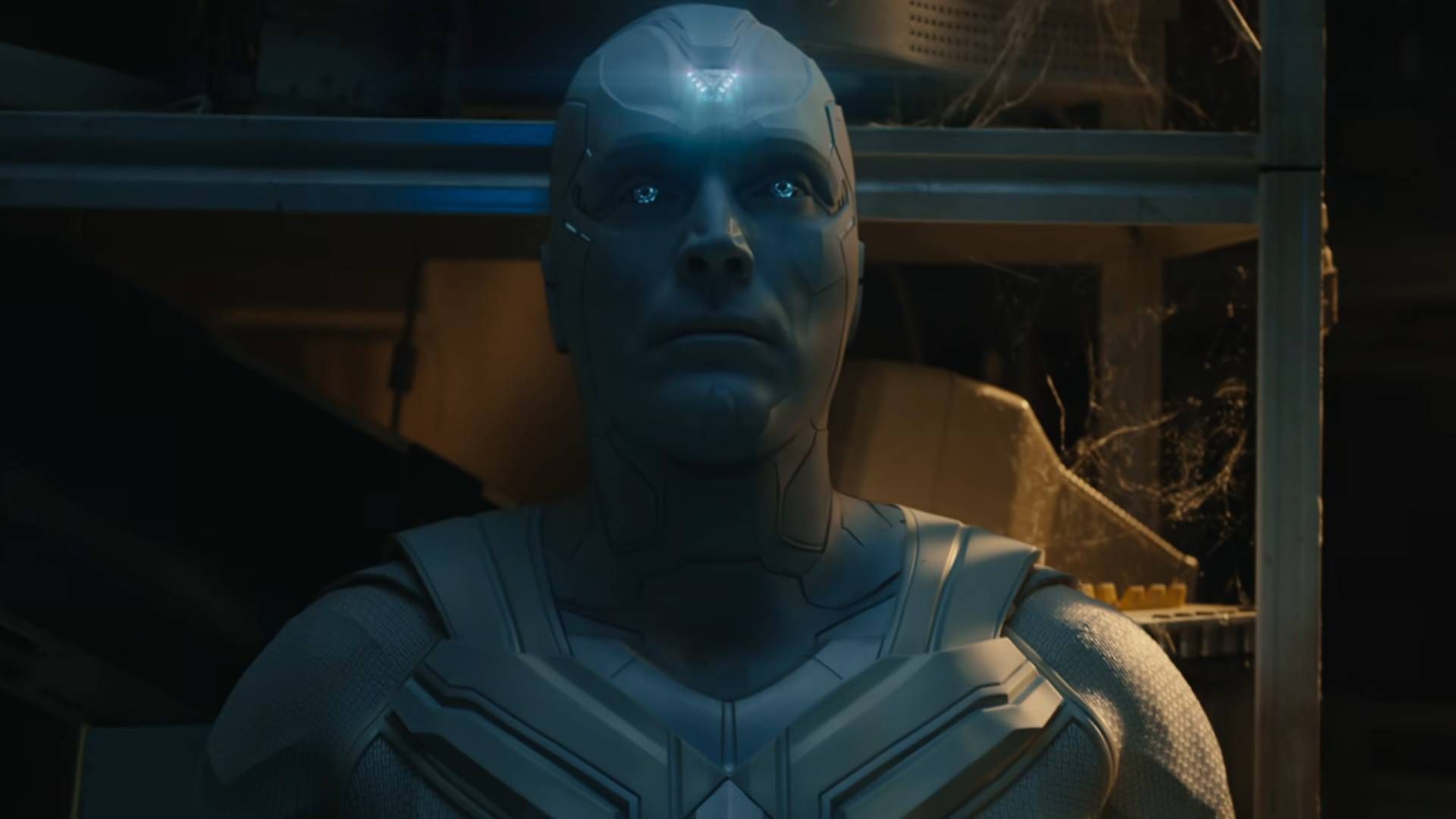
Helmed by showrunner Terry Matalas (Star Trek: Picard), VisionQuest trades explosive global catastrophes for a deeply surreal, psychological thriller that explores what it truly means to be human.
The Background: Reassembling a Broken Synthezoid
Following the reality-shattering events of WandaVision, the newly resurrected White Vision flew away into the unknown, burdened with restored memories but completely devoid of his emotional core. VisionQuest picks up his solitary trail.
Developed under the newly streamlined Marvel Television banner, this series is engineered to stand out. Rather than serving as standard superhero fare, it leans into the philosophical roots of the Vision Quest comic book lore, exploring themes of generative identity crisis, internal trauma, and artificial consciousness.
Spoiler-Free Synopsis: A Fugitive Mind
After years of living in deep isolation, White Vision struggles to process the massive gap between his data-driven memories and human feelings. To bridge the void, he begins communicating with internal AI personifications buried deep within his programming—ranging from Stark-era legacies like J.A.R.V.I.S. and F.R.I.D.A.Y. to the fragmented ghost of his creator and greatest adversary, Ultron.
However, Vision’s quiet existential journey is abruptly cut short when a massive bounty is placed on his head by an enigmatic organization looking to weaponize his tech. Forced onto the run, he crosses paths with Thomas Shepherd, a mysterious teenager who exhibits abilities identical to Vision's long-lost son, Speed. Now a target traversing international boundaries—from the neon-drenched underworld of Madripoor to quiet European villages—Vision must protect the boy while fighting an internal war for his own sanity.
Cast and Characters
- Paul Bettany as Vision / White Vision: Bettany delivers a career-defining performance, meticulously balancing the cold, calculated demeanor of a machine with the agonizing, quiet desperation of an identity crisis.
- James Spader as Ultron: Making a spectacular return, Spader’s menacing, charismatic voice serves as a haunting psychological anchor within Vision's own consciousness.
- Ruaridh Mollica as Thomas Shepherd / Speed: The breakthrough star introduces a frantic, youthful energy that grounds the show’s high-concept sci-fi themes in real emotion.
- Todd Stashwick as Paladin: A ruthless bounty hunter relentlessly pursuing Vision across the globe.
- Emily Hampshire, James D'Arcy, and T'Nia Miller: Portraying the personified AI constructs (E.D.I.T.H., J.A.R.V.I.S., and Jocasta, respectively) that populate Vision’s fractured mind landscape.
Release Info, Runtime, and Age Rating
* Premiere Date: October 14, 2026
* Platform: Disney+ Hotstar (Weekly episodic releases)
* Number of Episodes: 8 Episodes
* Age Rating: TV-14 (For sci-fi violence, intense psychological themes, and mild language)
Objective Review: An Introspective Masterpiece
VisionQuest succeeds precisely because it refuses to copy standard Marvel formulas. Terry Matalas crafts a series that feels delightfully "weird" and surreal—evoking the trippy, boundary-pushing energy that made WandaVision a global phenomenon.
The Positives:
* Exceptional Acting: The verbal sparring matches between Paul Bettany and the digital manifestation of James Spader's Ultron are some of the sharpest, most gripping dialogue sequences in MCU history.
* Visual Direction: Directors like Vincenzo Natali and Matalas use stunning, glitch-art aesthetics and shifting ratios to convey a mind literalized as a prison.
* Stakes that Matter: By scaling back the "end-of-the-world" tropes, the stakes feel intensely personal. You aren't cheering for Vision to save the planet; you are cheering for him to save his soul.
The Negatives:
* Pacing Constraints: The slower, deeply philosophical nature of the first few episodes might alienate audiences looking for fast-paced superhero action.
Our Rating: 4.5 / 5 Stars ⭐⭐⭐⭐⭐
Official Trailer
Get a glimpse of the surreal mindscapes, the return of Ultron, and the high-stakes global chase by watching the official preview showcased at the Marvel Studios YouTube Channel.
Post a Comment